
How it works
Guided, in the order that protects your story.
Little World is not a prompt box with a submit button. It asks the right questions first, shows you what it understood, and waits for your approval before it spends anything on illustration.
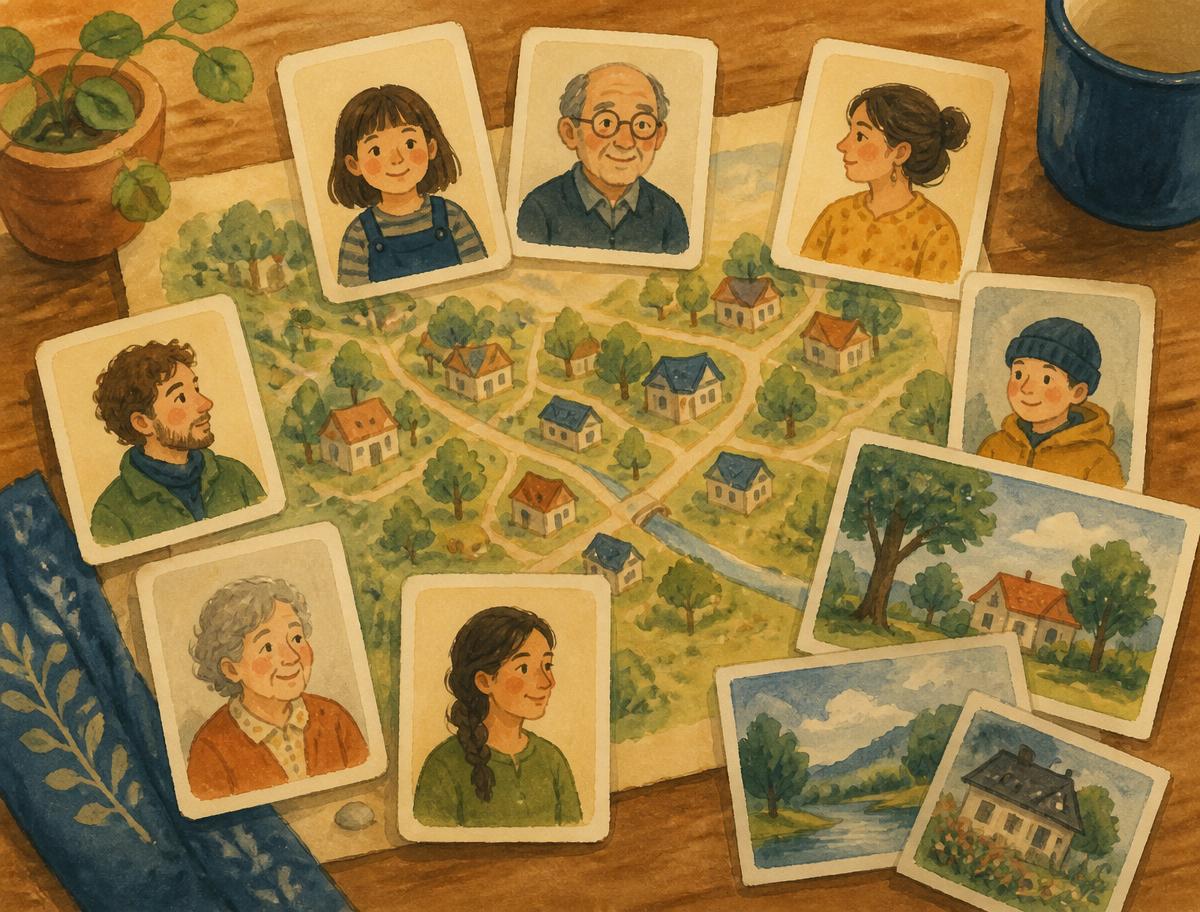

Structure first
You see the shape of the book before anything is painted.
Pages, order, where the photographs sit, how it opens and how it ends. Move things around as much as you like — nothing is painted yet.
- 1Subject · Audience · Purpose · Truth level
Tell Little World what this is for
Four short questions decide everything that follows: who or what the story is about, who will read it, why you are making it, and how closely it must follow real events.
- 2You approve an immutable context snapshot
Bring in only the context you want
Select saved people, places, dates and moments from your world, or write something fresh. Add photos if you have them. Nothing is pulled in without you choosing it.
- 3Gaps stay gaps instead of becoming invented facts
Check “here is what I understood”
Before a single line is written, Little World repeats back what it believes it knows. Correct names, dates, relationships and facts here.
- 4Structure before words
Review the book plan
A clear structure: how many pages, what happens on each, where photos sit, how the story opens and closes. Rearrange or rewrite it freely.
- 5Words before pictures
Edit and approve the full story
Read the whole manuscript, edit any line, and approve it when it sounds like you. Approval is a deliberate action.
- 6Style and continuity
Choose how it should look
Atmosphere, visual style, page format, and which recurring visual identities appear. Approve reference sheets so the same people and places stay recognisable.
- 7The painting comes last, on purpose
Generate and follow along
Illustration begins only now. Watch progress page by page, with clear states if something needs a retry.
- 8Yours to keep
Read, edit, download or share
Open it in the immersive reader, adjust a page in the constrained editor, download a print-quality PDF, or share it deliberately.
What this is not
Some honest limits.
We would rather set expectations than over-promise.
No automatic memory
Little World does not scan your private world with an AI model. It uses the context you selected for that one creation.
No perfect likeness claim
Illustration is interpretation. Approved reference sheets keep people recognisable, not photographically identical.
No deferred formats today
Books and PDFs now. Cards, posters, colouring pages, narration and physical printing are direction, not availability.
At the end
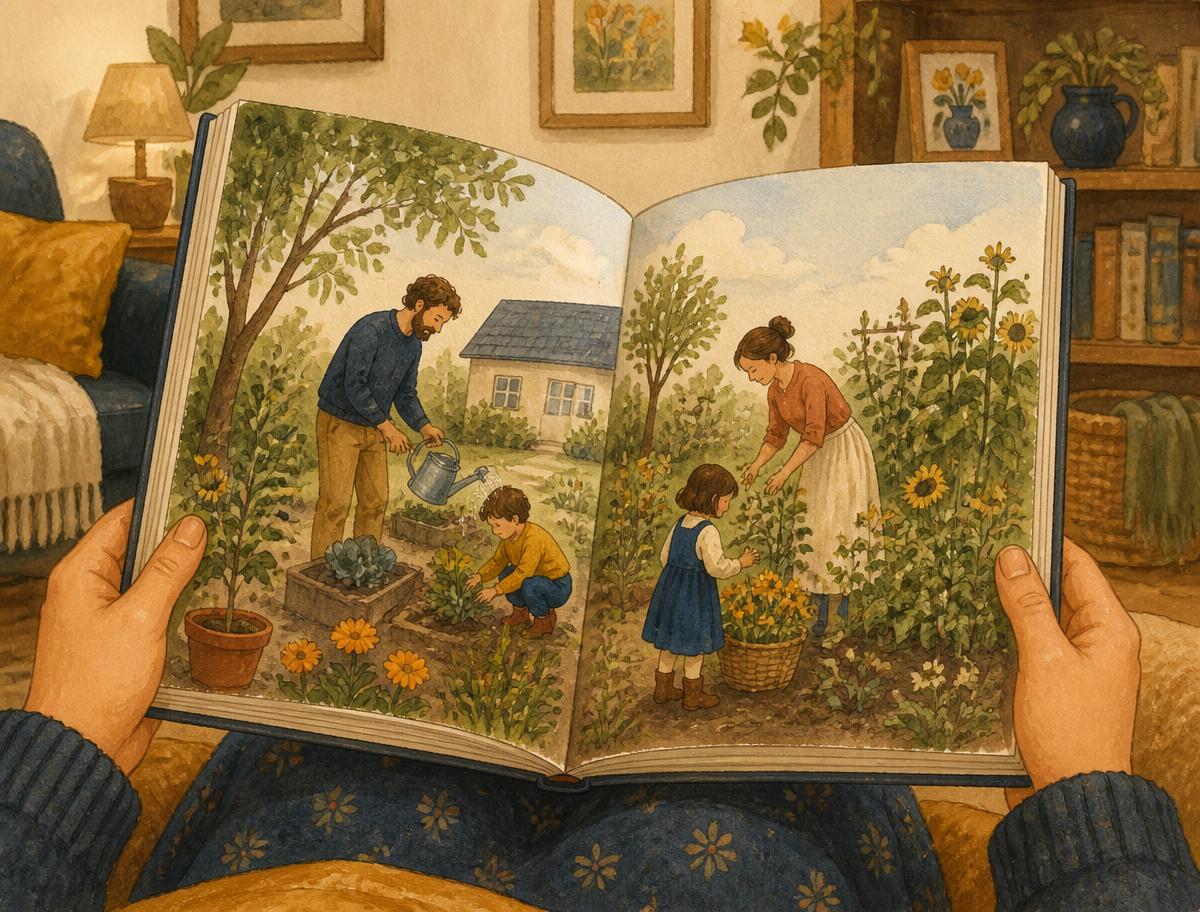
A book you can actually sit down with.
Read it on any screen, adjust a page if you want to, and download a print-quality PDF that is yours to keep whatever happens next.
Little World
Ready when you are.
Begin with one memory. The guided flow will be waiting whenever you want to make something from it.
Private by default. Nothing is remembered unless you save it.